
The THRIVERY® EditLiving Richly
How to Savor a Moment Without Making It Perfect
6 min read
In brief. To savor a moment, choose something that is genuinely yours to enjoy, give it a beginning, and let it be imperfect. Stay with one detail, and give enjoyment an ending, too.
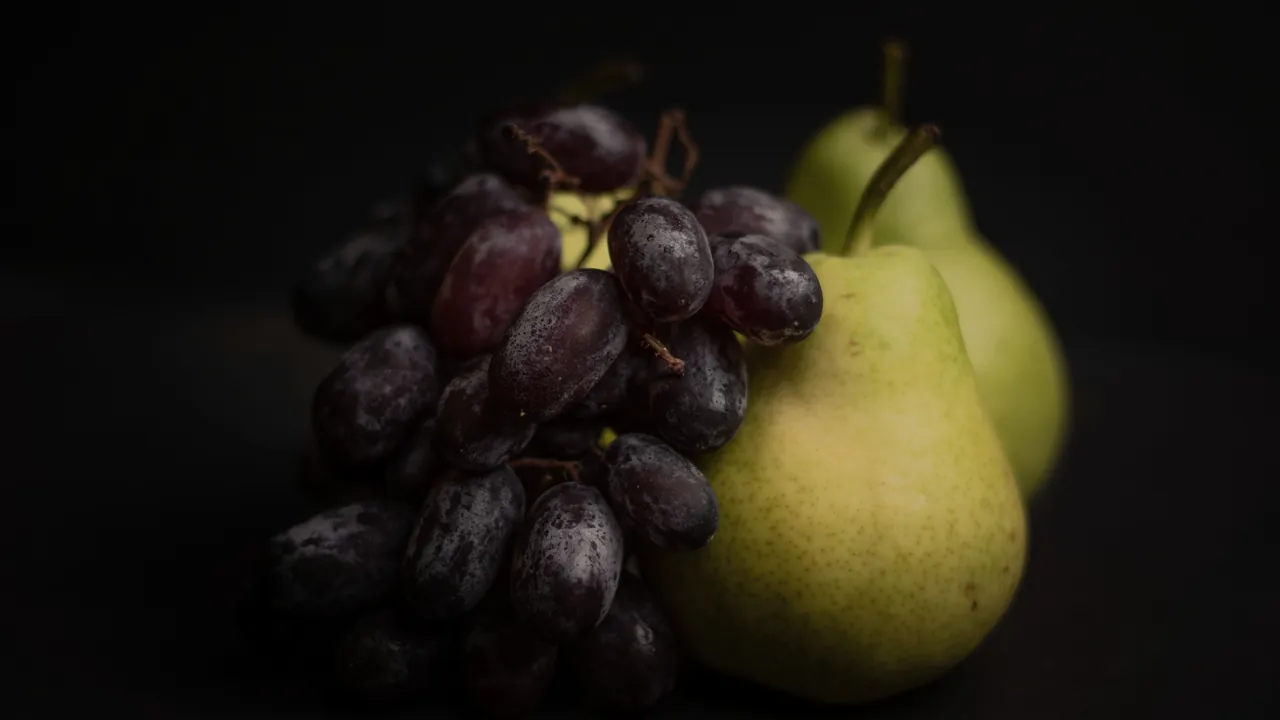
The cup you save for company. The song you wait to play until there is more time. The meal you imagine making when the table is set just right.
There is pleasure in anticipating an occasion. There is also pleasure in deciding that an ordinary moment is worthy of your attention.
Savoring is an experience you make room to receive. It might last the length of a song, the first few bites of lunch, or an unhurried exchange with a friend. Its value does not depend on a perfect setting.
Choose something that is actually yours to enjoy
A meaningful detail is personal. A quiet cup of tea may feel inviting to one woman and uninteresting to another. You might prefer a favorite song, a fresh piece of fruit, a few minutes outside, or a conversation that is not rushed.
Start with an experience you already know you like. You do not need to buy anything or arrange an entire afternoon. If resources or time are limited, choose a version that fits: pour water into a glass you enjoy using, open a window, or listen to one song while you prepare a meal.
Ask: What is one small thing I would like to experience more fully today? The answer is allowed to be simple.
Give the moment a beginning
Ritual can sound elaborate, but a beginning can be one small choice. Put your phone down for the length of a song. Sit at the table rather than standing at the counter, if you have the opportunity. Choose a plate that makes your meal feel cared for. Take a moment to notice the first sip before the day carries you onward.
These actions do not need to happen in a particular order. Their purpose is to tell your attention, gently, “I am here for this.” If a practice feels forced, change it. The invitation should fit you.
Let the experience be imperfect
You might choose a quiet breakfast and be interrupted. The meal might be simple. The room may not look the way you imagined. If the conditions change, you have not failed at savoring.
Instead of asking, “Was this moment perfect?” try asking, “Was there one part I enjoyed?” Perhaps the light on the table was lovely for a moment. Perhaps the music changed the atmosphere while you were getting ready. Perhaps the food tasted good even though you ate it quickly.
You are allowed to notice pleasure without requiring yourself to feel grateful for everything. You can appreciate a small detail and still be honest about a difficult season.
Stay with one detail
When you have a little room, choose one aspect of the experience and give it your attention. It could be the texture of a piece of fabric, the rhythm of a song, the aroma of a meal, or the sound of someone laughing. You do not have to engage every sense or follow a prescribed exercise.
If you prefer, notice what the experience means to you: “I like how unhurried this feels,” or “This reminds me that I enjoy making things.” Stay with the thought for a few breaths or a few sentences. Then continue with your day.
The aim is not to manufacture a particular emotion. It is to make room for whatever you genuinely notice.
Share the moment when it feels right
Savoring can be solitary, and it can also be shared. You might send a song to a friend, invite someone to join you for a simple meal, or ask another woman what small part of her day she enjoyed.
Keep the invitation light. The other person does not need to respond in the same way you do. The exchange may simply create an opportunity to notice each other’s lives with a little more care.
If you are preparing a table, consider one detail that makes the gathering feel welcoming: a cloth napkin, a handwritten name, a familiar recipe, or music chosen for the people who will be there. A small touch can carry meaning without requiring an expensive or elaborate production.
Give enjoyment an ending, too
A pleasant moment does not have to last all afternoon to count. You might notice the final notes of a song or take a second to appreciate a conversation before moving on. Acknowledging the ending can help you receive the experience without demanding that it continue.
You may also want to remember what made it enjoyable. Was it the company, the absence of hurry, a particular flavor, or the chance to be creative? That answer can guide a future choice, but it does not need to become a rule. You can let a good moment be complete and remain open to a different kind of pleasure tomorrow.
Let the moment belong to the people in it
A meaningful experience does not need to be documented to count. There may be times when you want a photograph of the table or a note about a conversation. There may also be times when you would rather put the phone away and be present.
If other people are involved, consider what helps them feel comfortable. Ask before taking or sharing a photograph, and let the gathering unfold without trying to recreate it for an audience.
The details you remember may be different from the ones you expected: a laugh, an unexpected question, the last song of the evening. Give those details room to be part of the experience.
A five-minute invitation
Use the cup. Play the song. Bring one detail you love into an ordinary day, and give yourself a moment to enjoy it while it is here.
If this piece gave you something to carry, you can receive new writing from me by email, free, in The THRIVERY® Edit: https://thrivery.substack.com/subscribe