The THRIVERY® EditCreativity and Purpose
Creativity for the Woman Who Does Not Think She Is Creative
6 min read
In brief. Creativity is a way of engaging with life, not a talent reserved for artists. Begin with what draws you in, make the project smaller than your resistance, separate making from performing, and give creativity a place in your actual life.
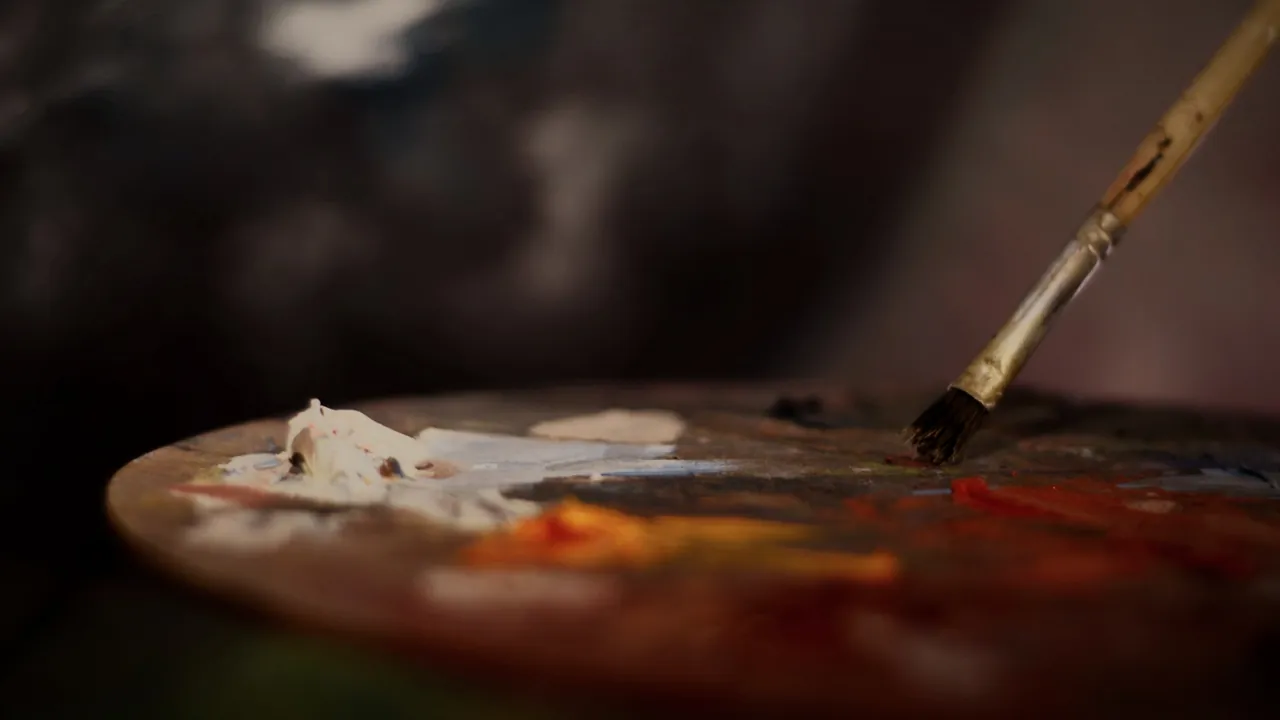
You arrange a few things on a table and notice how the room feels different. You choose the song that belongs with a moment, find another way to tell a story, or make a meal from what is already in the kitchen.
Creativity may already be part of your life, even if you have never called yourself creative.
Making can be quiet and private. It can also be shared, practiced, and developed. What matters at the beginning is your willingness to experiment with an idea and see what takes shape.
Begin with what draws you in
Before you choose a project, notice what has your attention. Are you drawn to the way a table is set, the words in a song, the colors in a garden, or the feeling of a room? Do you enjoy making a thoughtful gift, finding a better way to organize a gathering, or experimenting with ingredients you already have?
Interest is a useful place to begin because it does not require you to prove anything. Make a short list of things that have recently made you pause. Choose one that feels inviting, then ask, “What could I try with this?”
If you love words, collect a few that describe the season you are in. If music moves you, make a playlist for the way you want an evening to feel. If food interests you, change one detail in a familiar meal. The point is to participate, not to produce something worthy of an audience.
Make the project smaller than your resistance
One reason creativity can feel intimidating is that we imagine it must come with supplies, lessons, uninterrupted time, or a finished result. Those things can be wonderful. They are not required for every beginning.
Choose a project you can start in ten minutes with what is available:
- Gather three objects with a color or texture you enjoy and arrange them together.
- Write five lines beginning with “I want to remember.”
- Take a photograph of a detail you might otherwise walk past.
- Give an everyday meal a small new element, such as a favorite song or a different plate.
You may discover that none of these is your thing. That is useful information. Try another way of making until you find an experience you want to return to.
Separate making from performing
Sharing can be satisfying, but it can also change the question you ask. Instead of “Am I enjoying this?” you may start wondering, “Will anyone else think this is good?”
Give yourself permission to make something that never leaves your home, notebook, phone, or imagination. A private experiment can be unfinished, uneven, or unlike anything you would post. Its value does not depend on whether someone else understands it.
If you do want to share, choose someone who can receive your experiment without taking it over. You can be clear about what you need: “I am trying something new. I would love for you to see it, but I am not looking for advice yet.”
Let curiosity lead instead of criticism
When the result differs from what you imagined, notice the difference between observation and judgment. “The colors are not working together the way I hoped” gives you something to explore. “I am terrible at this” closes the door before you have had a chance to learn.
Ask one useful question: “What might I change if I tried again?” Perhaps you would use fewer words, move the objects into different light, choose another song, or leave the project for another day.
You do not have to enjoy every attempt. Learning what you do not like can be part of discovering what you do.
Give creativity a place in your actual life
Rather than waiting for an empty afternoon, attach a small experiment to something you already do. Listen to an unfamiliar piece of music while cooking. Keep a notebook where you usually drink your morning coffee. Arrange one corner of the table before a meal.
If you have more room, invite a friend to bring a poem, a recipe, or a small object and share why she chose it. The gathering does not need a polished theme. A good question and a little attention can be enough.
What if creativity is not another demand on your time, but one way you choose to spend a moment you already have?
What the research can and cannot tell us
One diary study of 658 young adults found an association between everyday creative activity and later reports of feeling more energized and engaged. It cannot prove that a particular creative practice will improve every person's well-being. It does offer a useful reason to be curious about how making something fits into your own life.
You do not need a study to grant you permission to try. Let your own experience tell you whether a practice is worth returning to.
Let what moves you become material
Pay attention to the experiences you remember. Perhaps it is the way a song begins, the contrast between shadow and light in a photograph, or the feeling of a table where everyone lingered. Choose one detail and ask what makes it compelling to you.
Now use that observation as a starting point. Arrange a few songs to shape the pace of an evening. Pair two textures you already own. Write a few lines that capture the feeling of a conversation you want to remember. Let the result take a form that is yours.
Your taste can be a guide rather than a standard you must immediately meet. Each experiment gives you another chance to notice what you want to make.
A place to begin
Creativity becomes more available when you give an idea your attention and let your hands, words, or choices take part. Choose something small and make the first move.
Source: Conner, T. S., DeYoung, C. G., and Silvia, P. J. “Everyday Creative Activity as a Path to Flourishing.” The Journal of Positive Psychology. https://doi.org/10.1080/17439760.2016.1257049
If this piece gave you something to carry, you can receive new writing from me by email, free, in The THRIVERY® Edit: https://thrivery.substack.com/subscribe